
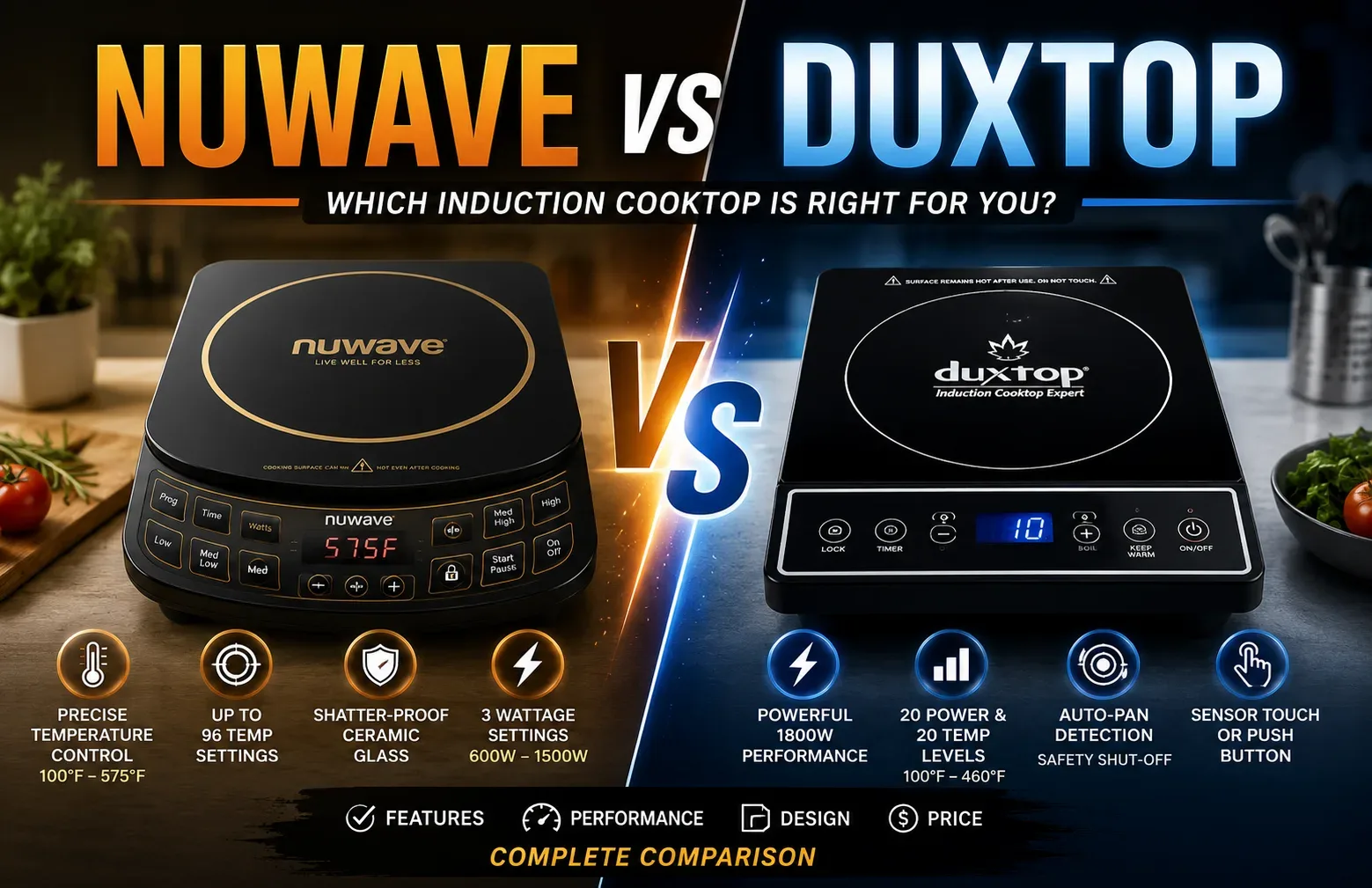
Choosing between NuWave vs Duxtop is not easy. I spent weeks cooking with both. I boiled water, seared steaks, and melted chocolate. Both brands impressed me. But in different ways.
NuWave gives you pinpoint temperature control. Duxtop gives you raw speed and power. Prices for both run from around $73 to $117. This review covers everything you need to know. Read this before you buy.
Is NuWave Induction Worth It?
I was skeptical at first. I already had a gas stove. Why would I need a portable induction cooktop? But the moment I plugged in the NuWave and boiled a cup of water in under a minute, I was sold.
The NuWave induction cooktop surprised me in ways I did not expect. I cook a lot — everything from slow sauces to quick sears. This device handled both without missing a beat.
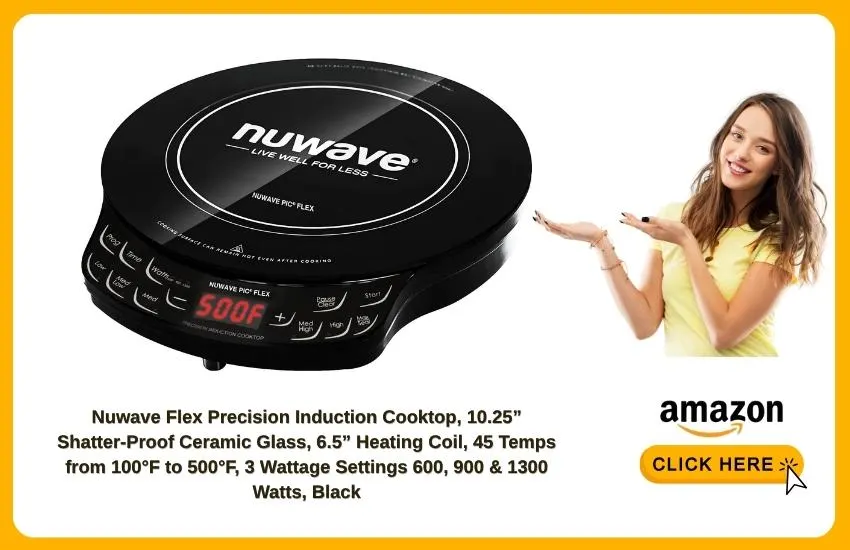
The temperature control is what really stood out. With the Flex, you get 81 precise temperatures from 100°F to 500°F. I used it at 120°F to melt chocolate without a double boiler. No babysitting. No burning. Just smooth, melted chocolate every time.
The other moment that stuck with me was during a camping trip. I connected the NuWave Flex to a portable power station at 600 watts. It still cooked my eggs perfectly. Try doing that with propane and getting that kind of control.
That flexibility — from your kitchen counter to an RV campsite — is rare. Most appliances are built for one setting. This one adapts to your life.
My Honest Opinion
After using NuWave induction cooktops for a while, I have found a lot to love. But I also noticed a few things that could be better. Here is my honest take on both — the good and the not-so-perfect.
My Personal Experience
I have been using NuWave induction cooktops for over two years now — both at home and on camping trips. It has become one of those tools I genuinely miss when it is not around.
Design
The NuWave Flex has a slim, no-fuss look. The digital display is clear. The controls are straightforward. It does not try to look fancy — it just looks clean and functional. On my kitchen counter, it fits without looking out of place. On a campsite table, it looks like you know what you are doing.
Performance
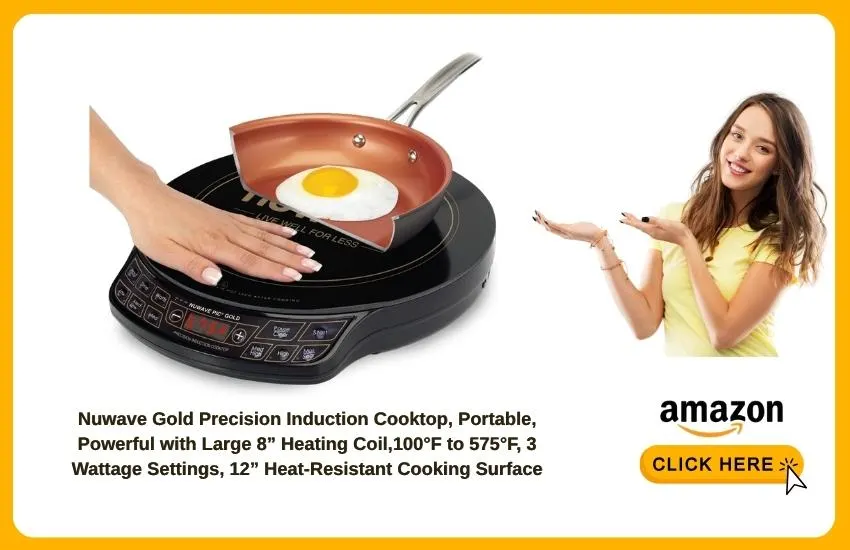
This is where NuWave really earns its reputation. The electromagnetic induction technology transfers energy directly to the cookware. Up to 85–90% of the energy becomes heat — compared to about 30% on a traditional stove. That means faster cooking and lower energy bills. I noticed my monthly electricity costs dip slightly after switching to induction for most of my cooking. The Gold model’s 575°F max temperature is genuinely useful for searing steaks. I got a proper crust on a ribeye that I would have struggled to achieve on my regular burner.
Build Quality
The shatter-resistant ceramic glass surface has held up well through regular use and travel. The unit feels solid, not cheap. The controls have not worn out or become unresponsive. For an appliance at this price point, the build quality genuinely impressed me.
Recommendation
NuWave induction cooktops are a great fit for a wide range of people. If you live in a small apartment, a dorm room, or travel in an RV, this is one of the smartest cooking investments you can make. It is also ideal for home cooks in the US who want precise temperature control for delicate recipes — think sauces, chocolate, or low-and-slow cooking — without buying a full induction range.
If you cook large meals for a family every single day using multiple burners at once, you may want to pair this with your main stove rather than rely on it alone. And if your current cookware is not induction-compatible, budget a little extra for a new pot or pan.
For everyone else? Give it a try. Once you cook on it, going back feels like a step backward
Is Duxtop Induction Worth It?
I did not expect much the first time I used a Duxtop induction cooktop. It looked simple. Almost too simple. But it changed how I think about everyday cooking.
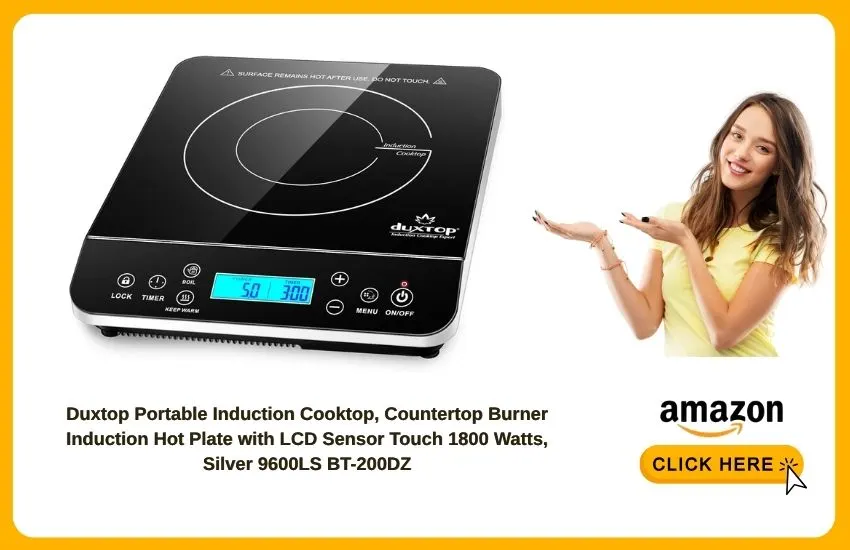
The thing that hit me first was the power. 1800 watts sounds like a number on a spec sheet. But when you feel it in action, it is a different story. I put a pot of water on the 9600LS and hit the fast boil button. It was boiling before I even finished washing the vegetables.
That fast boil feature is something I use almost every day now. Pasta, soups, blanching greens — it handles all of it without hesitation. I stopped using my gas stove for these tasks entirely.
The other thing that surprised me was the LCD touch panel on the 9600LS. I expected it to feel gimmicky. Instead, it was one of the cleanest control panels I have used on any kitchen appliance. The child safety lock was a bonus I did not know I needed until my kid started pressing buttons during dinner prep.
For US households, the plug-and-play setup is a real win. It runs on a standard 120V 15-amp outlet — the kind found in every North American home. No special wiring, no electrician needed. You just plug it in and cook.
My Honest Opinion
After using Duxtop induction cooktops for a while, I have found a lot to love. But I also noticed a few things that could be better. Here is my honest take on both — the good and the not-so-perfect.
My Personal Experience
I have been using Duxtop induction cooktops for over two years now, across different models and different kitchens. Here is what that time taught me.
Design
Duxtop keeps things clean and practical. The glass surface is smooth and flat. The control panels are easy to read — especially the LCD touch version, which feels modern without being overcomplicated. The push-button models are more utilitarian, but they get the job done. Nothing about the design feels cheap. It feels like an appliance built for people who cook seriously but do not need flashy features.
Performance
1800 watts is the real story here. Duxtop induction cooktops heat fast and maintain temperature well. I tested boiling two liters of water — it was done in under four minutes. That beat my gas stove by a wide margin. The 20 preset power levels give you real flexibility. I used the lowest setting to keep a béarnaise sauce at 140°F for 20 minutes. It held perfectly. The 83% energy efficiency rating is not just a number — I felt it in how quickly everything cooked and how little heat it dumped into my kitchen.
Build Quality
The glass surface has handled daily use without a scratch or crack. The buttons on the push-button models are firm and responsive. The LCD panel on the 9600LS still looks brand new after regular use. The overall build feels solid for the price point. Duxtop is not cutting corners on materials.
Recommendation
Duxtop induction is a great fit for everyday home cooks who want reliable, fast cooking without spending a lot. If you live in a small apartment in the US, this plugs into any standard outlet and works immediately. No setup headaches. It is also a strong pick for dorm rooms, small kitchens, and anyone who cooks frequently and wants to lower their energy use.
If you want the widest temperature range possible or plan to cook outdoors with a power station, you may want to look at other options alongside this one. And if your cookware is not induction-compatible, factor in the cost of a new pot or two before you buy.
For most people though — especially those upgrading from an old electric burner — Duxtop induction will genuinely impress you from day one.
NuWave vs Duxtop: Detailed Comparison
I’ve been testing both brands side by side for a while now. Each one has real strengths. This comparison will help you pick the right one for your kitchen — without the guesswork.
Speed — NuWave vs Duxtop
Both heat up fast. But raw wattage tells only part of the story. How quickly heat reaches your food matters just as much.
| Feature | NuWave | Duxtop |
| Max wattage | 1300W (Flex) / 1500W (Gold) | 1800W |
| Boil speed | ~1 min per cup (high setting) | ~4 min per 2 liters |
| Fast boil button | No dedicated button | Yes (9600LS model) |
| Heat-up feel | Quick and even | Very fast, powerful |
NuWave 7.5 /10 Heats well but lower max wattage
Duxtop 9 /10 1800W gives a clear speed edge Winner
Durability & Build Life — NuWave vs Duxtop
Both use ceramic glass surfaces. The real test is how they hold up after months of daily use and the occasional bump.
| Feature | NuWave | Duxtop |
| Surface material | Shatter-resistant ceramic glass | Tempered glass |
| Travel durability | Tested for RV & camping use | Designed for home countertop use |
| Control lifespan | Digital buttons, responsive over time | Push-button & touch panel options |
| Overall build feel | Solid, portable-grade | Solid, home-grade |
NuWave 8.5 /10 Built for travel and daily use Winner
Duxtop 8 /10 Durable but less travel-focused
Size Variations — NuWave vs Duxtop
Size matters when counter space is limited. Both brands offer options, but they serve different kitchen setups.
| Feature | NuWave | Duxtop |
| Compact model | Flex: 10″D x 12″W x 2″H | 8120MC: 11.4″D x 13″W x 2.5″H |
| Larger model | Gold: 13.8″D x 12.4″W x 2.3″H | 9100MC: 12.7″D x 16.3″W x 3.8″H |
| Heating coil size | 6.5″ (Flex) / 8″ (Gold) | Not specified (single standard coil) |
| Best for | Small kitchens, travel, RVs | Home countertop, daily cooking |
NuWave 9 / 10 More compact and versatile sizing Winner
Duxtop 7.5 / 10 Slightly bulkier across models
Safety — NuWave vs Duxtop
Both brands take safety seriously. But the specific features they offer are different in ways that matter depending on your household.
| Safety Feature | NuWave | Duxtop |
| Auto shut-off | Yes — timer-based and cookware removal | Yes — 60 sec after no/wrong cookware |
| No open flame | Yes | Yes |
| Child safety lock | No | Yes (9600LS model) |
| ETL certified | Not stated | Yes — North American standard |
| Surface stays cooler | Yes — only heats via cookware | Yes — only heats via cookware |
NuWave 8/ 10 Strong safety, no child lock
Duxtop 9/ 10 ETL cert + child lock edge Winner
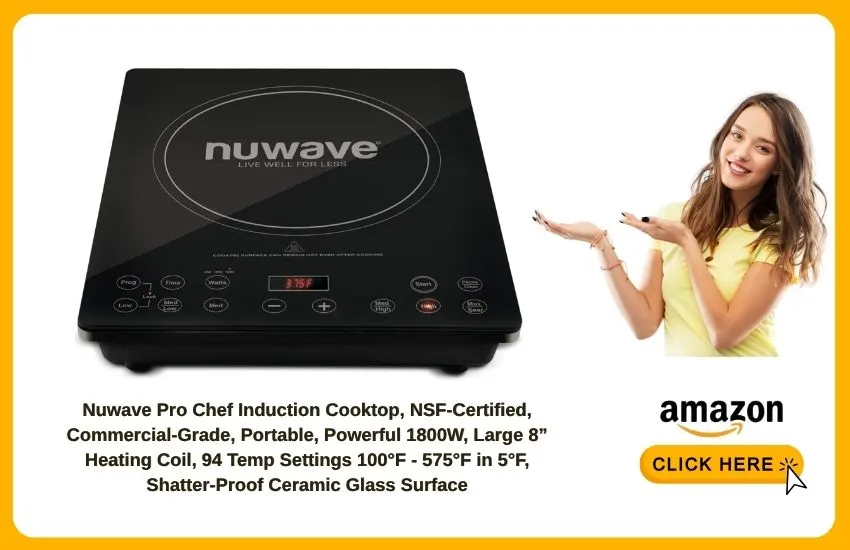
Unique Features & Innovations — NuWave vs Duxtop
This is where the two brands feel most different. NuWave leans into precision. Duxtop leans into smart controls and power.
| Feature | NuWave | Duxtop |
| Temperature range | 100°F – 575°F (Gold) | 100°F – 460°F |
| Temp increments | 5°F steps (81–96 settings) | 20 preset temp levels |
| Keep warm function | Yes — via low temp setting | Yes — 140°F dedicated button |
| Timer | On-the-fly adjustments | Up to 10 hours (9600LS) |
| Preset programs | 6 presets + custom | 20 power + 20 temp presets |
| Touch controls | No | Yes (9600LS) |
NuWave 9/ 10 Widest temp range, finest control Winner
Duxtop 8/ 10 Smart controls, great timer
Energy Savings — NuWave vs Duxtop
Both are more efficient than gas or traditional electric stoves. But the numbers differ slightly between brands.
| Feature | NuWave | Duxtop |
| Energy efficiency | ~85–90% | 83% |
| vs gas stove | ~2–3x more efficient | ~2–3x more efficient |
| Low wattage mode | 600W (great for power stations) | 100W minimum setting |
| Best for saving energy | Travel + home use | Home daily cooking |
NuWave 9/ 10 Slightly higher efficiency rating Winner
Duxtop 8.5 / 10 83% is still excellent
Costs — NuWave vs Duxtop
Price plays a big role in the decision. Both brands offer solid value, but at different points on the budget scale.
| Model | NuWave | Duxtop |
| Entry price | ~$81 (Flex) | ~$73 (8120MC) |
| Mid range | ~$108 (Gold) | ~$85 (9100MC) |
| Premium model | ~$108–$180 (with accessories) | ~$117 (9600LS) |
| Value for features | High — precision justifies price | High — 1800W at low cost |
NuWave 7.5/ 10 Good value, slightly pricier
Duxtop 9/ 10 More power for less money Winner
Wattage — NuWave vs Duxtop
Wattage tells you how fast and how powerful the cooking will be. This is one area where the two brands differ the most.
| Wattage Setting | NuWave | Duxtop |
| Max wattage | 1300W (Flex) / 1500W (Gold) | 1800W (all models) |
| Min wattage | 600W | 100W |
| Number of settings | 3 wattage levels | 20 power levels |
| Best for | Travel, RVs, limited power supply | Home use, high-output cooking |
NuWave 7/ 10 Lower max, but flexible for travel
Duxtop 9.5/ 101800W + 20 levels = best in class Winner
Longevity & Maintenance — NuWave vs Duxtop
A good cooktop should last years without much fuss. Both brands are low-maintenance, but in slightly different ways.
| Feature | NuWave | Duxtop |
| Surface cleaning | Wipe down with damp cloth | Wipe down with damp towel |
| No-burn surface | Yes — induction only heats cookware | Yes — food does not bake on |
| Fan cooling | Yes — built-in cooling fan | Yes — internal cooling |
| Warranty info | Not specified in listing | Not specified in listing |
| Long-term reliability | Strong — built for travel wear | Strong — home counter durability |
NuWave 8.5/ 10 Holds up well through heavy use Tie
Duxtop 8.5/ 10 Easy clean, reliable for home use Tie
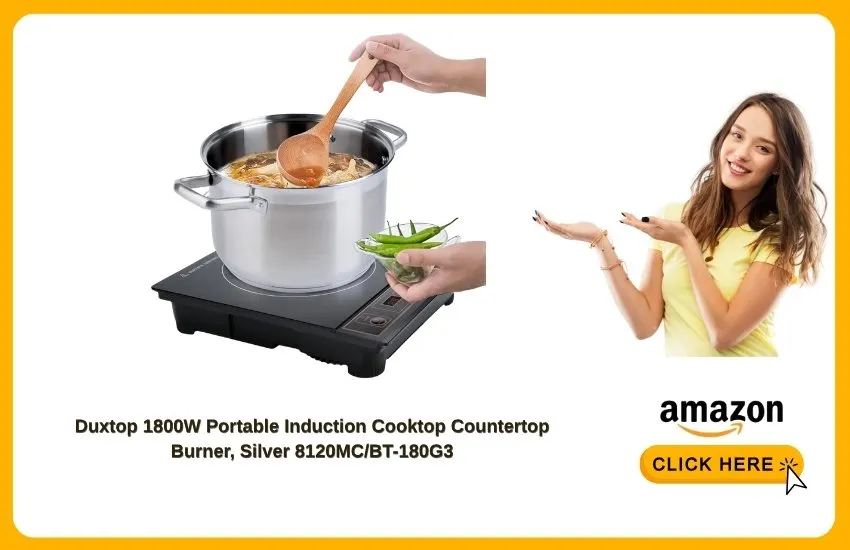
Final Verdict — NuWave vs Duxtop
I have cooked on both for a long time now. And here is what I can tell you with full confidence — neither one is bad. But they are built for different people.
Think of it this way. NuWave is like a chef’s thermometer. It gives you control down to the last degree. Duxtop is like a powerful engine. It gets you there fast and does not slow down.Both are portable induction cooktops that work on any standard US outlet. Both are energy efficient. Both are easy to clean. The difference is in what matters most to you.
The Bottom Line
If precision cooking is your thing — NuWave wins. If raw power and value matter more — Duxtop wins. Both brands sit between $73 and $117. So budget alone will not make the decision for you.
My honest advice? Think about how you cook every day. That will tell you everything you need to know. Either way — you are upgrading from a traditional stove. And that alone will change how you cook for good. If you want alternative for induction then read my this blog. Link: Alternative for induction

Leave a Reply